Guitar Gods: Picks, Strings, Guitars, Amps, Tunings, Pedals and Effects
← Return to Let’s Get Picky ← Return to String Theory ← Return to Guitar Tunings.htm ← Return to Tone
This carousel lists reported pick choices, string choices, preferred instruments, amps, tunings and effects pedals for well-known guitarists. Treat these as reference points, not rules. Artists change gauges by guitar, tuning, tour, studio session, endorsement, and tech preference.
GLS Note: copying a famous player’s strings will not automatically produce that player’s tone. Scale length, tuning, setup, pickups, amp, speaker, touch, pick angle, and technique matter just as much.
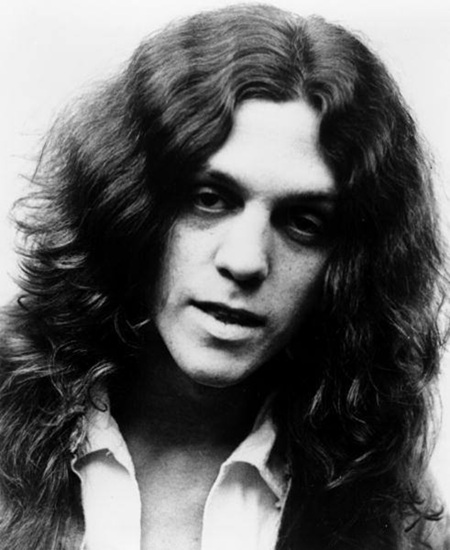
Allen Collins
Lynyrd Skynyrd
Picks
- Preferred: Dunlop Extra Heavy
- Material: Nylon / Tortex
- Gauge: Extra Heavy
- Shape: Standard (351)
Strings / Tuning
- Manufacturer: Reported/common: Gibson-style nickel electric sets
- Gauge: Reported: .010–.046 or similar
- Tuning: Mostly standard; song/slide parts may vary.
- GLS Note: Use as a reference only; Southern-rock players changed guitars/tunings and reliable exact set documentation is limited.
Instruments
- Instruments: Gibson Firebird I / Firebird-style guitars; Explorer/Les Paul-type guitars also reported.
Amps
- Amps / rig: Peavey Mace and high-headroom Southern-rock rigs commonly associated.
Effects / Pedals
- Effects: Minimal strongly documented pedal use; primarily guitar, amp volume, and Southern-rock stage tone.
- Use: More amp-driven than pedal-driven; any effects should be treated as song/era dependent.
- GLS Note: Do not invent a modern pedalboard here. The safer reference is Gibson/Firebird-style guitars into loud Southern-rock amp rigs.
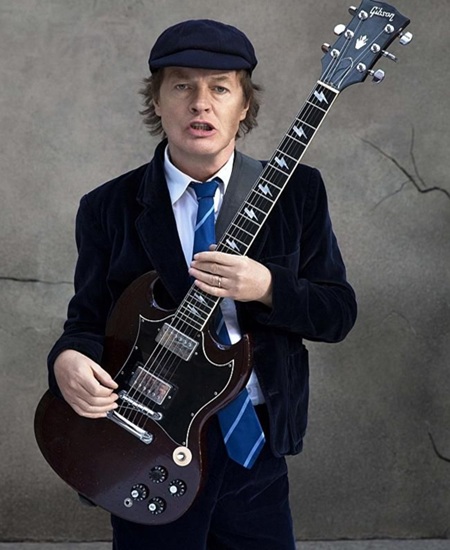
Angus Young
AC/DC
Picks
- Preferred: Fender Extra Heavy
- Material: Celluloid
- Gauge: Extra Heavy
- Shape: Standard (351)
Strings / Tuning
- Manufacturer: Commonly associated: Ernie Ball / nickel electric
- Gauge: Often reported: .009–.042
- Tuning: Mostly standard; some AC/DC recordings/tours sit slightly flat or vary by song.
- GLS Note: Light gauge supports wide bends and aggressive SG rhythm/lead work without heavy left-hand resistance.
Instruments
- Instruments: Gibson SG family, especially late-’60s/early-’70s SG-style guitars.
Amps
- Amps / rig: Marshall Super Lead/JMP/JTM-style stacks; Wizard amps also associated in later touring eras.
Effects / Pedals
- Effects: Generally no regular pedals; guitar straight into Marshall-style amps.
- Use: Power amp volume, right-hand attack, SG pickups, and Marshall response are the core sound.
- GLS Note: One of the strongest examples of a simple signal chain. Do not chase AC/DC tone by stacking pedals first.
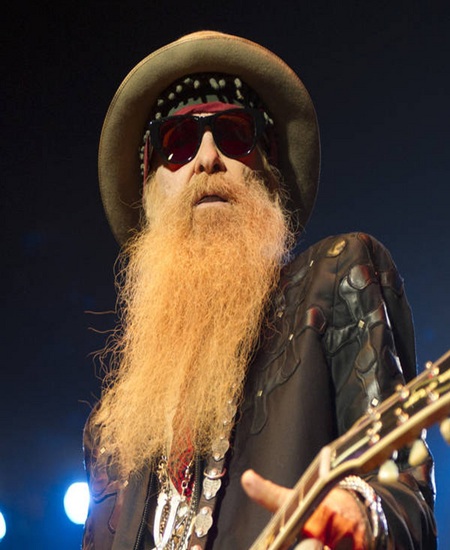
Billy Gibbons
ZZ Top
Picks
- Preferred: Custom/Very Thick or Mexican Peso Coin
- Material: Very Hard Plastic / Coin
- Gauge: Very Heavy
- Shape: Standard/Modified (351)
Strings / Tuning
- Manufacturer: Dunlop Rev. Willy’s / very light nickel electric
- Gauge: Often associated: .007–.038 range
- Tuning: Often standard or Eb; also open tunings and studio-dependent setups.
- GLS Note: Classic example that heavy tone does not require heavy strings; setup and touch are critical with ultra-light gauges.
Instruments
- Instruments: 1959 Gibson Les Paul ‘Pearly Gates’; Gretsch, Bolin, custom and chambered guitars also used.
Amps
- Amps / rig: Marshall, Magnatone, Fender and custom/studio rigs depending on era.
Effects / Pedals
- Effects: Fuzz, overdrive, EQ, studio processing, and unusual devices have all been associated with different eras.
- Use: Often heavily shaped by studio production, amp choices, and touch rather than one fixed pedalboard.
- GLS Note: Use broad wording. Billy Gibbons’ tone varies by period, guitar, amp, and production approach.

Brian May
Queen
Picks
- Preferred: British Sixpence Coin (Pre-1956)
- Material: Metal (Cupronickel)
- Gauge: Uses Serated Edge
- Shape: Coin
Strings / Tuning
- Manufacturer: Optima Brian May 24K Gold
- Gauge: Listed set: .009–.042
- Tuning: Mostly standard; song-specific exceptions.
- GLS Note: Light strings, coin attack, Red Special pickups, Vox-style amplification and touch all work together.
Instruments
- Instruments: Red Special / Brian May-style guitar with Burns Tri-Sonic-style pickups.
Amps
- Amps / rig: Vox AC30s are central to the classic Queen sound.
Effects / Pedals
- Effects: Treble booster into Vox AC30; delay and multi-amp/stereo processing for layered parts; occasional modulation.
- Use: The treble booster is essential to the classic Brian May attack and sustain into AC30-style amps.
- GLS Note: Red Special + treble booster + AC30 is the core system. The coin pick and pickup switching are also major factors.
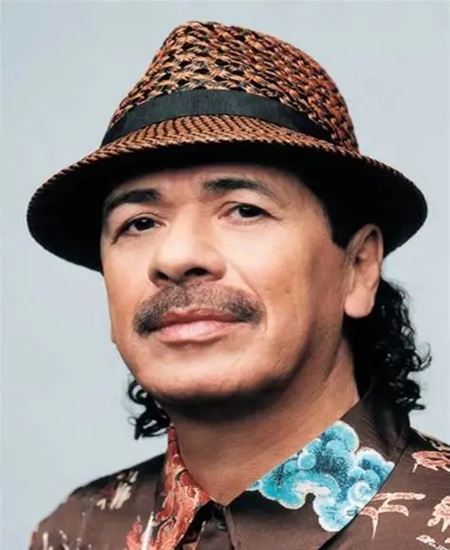
Carlos Santana
Santana
Picks
- Preferred: V-Picks Psycho
- Material: Acrylic
- Gauge: Extremely Heavy
- Shape: Modified Teardrop
Strings / Tuning
- Manufacturer: Commonly reported: PRS / GHS / custom electric sets
- Gauge: Often reported: .009–.042 or .010–.046 range
- Tuning: Mostly standard.
- GLS Note: Sustain-heavy lead tone comes from the full rig and touch; verify exact current touring set before treating as definitive.
Instruments
- Instruments: PRS Santana models; earlier Gibson SG Special/Yamaha SG instruments are historically important.
Amps
- Amps / rig: Mesa/Boogie Mark-series and Dumble-style rigs are commonly associated.
Effects / Pedals
- Effects: Minimal pedalboard approach; wah, line driver/buffer, and switching/splitting systems are commonly referenced.
- Use: The sustained lead tone is primarily guitar, amp gain, speaker response, touch, and controlled volume.
- GLS Note: Do not treat Santana as a heavy pedalboard example. The amp and player are the main effect.
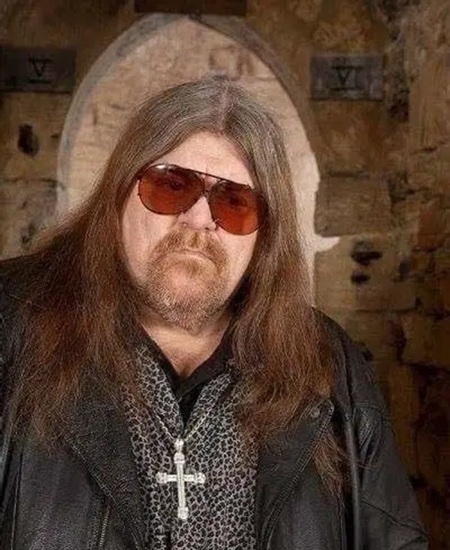
Dave Hlubek
Molly Hatchet
Picks
- Preferred: Extra Heavy
- Material: Nylon / Tortex
- Gauge: Extra Heavy
- Shape: Modified Teardrop
Strings / Tunings
- Manufacturer: Reported/common: nickel electric sets
- Gauge: Reported: .010–.046 or similar
- Tuning: Mostly standard; verify song-specific versions.
- GLS Note: Exact published data is limited; treat as a Southern-rock reference, not a confirmed prescription.
Instruments
- Instruments: Gibson Explorer/Les Paul-style guitars commonly associated with Molly Hatchet-era Southern rock.
Amps
- Amps / rig: Marshall/Peavey-style high-gain rock rigs reported; exact rig varies by era.
Effects / Pedals
- Effects: Limited strongly documented pedal data; amp-driven Southern-rock gain is the safer reference.
- Use: Likely relied more on guitar, amp, stage volume, and band mix than a complex pedalboard.
- GLS Note: List as reported/common only. Avoid claiming exact pedals unless a verified source is available.

David Gilmour
Pink Floyd
Picks
- Preferred: Fender Heavy
- Material: Celluloid
- Gauge: Heavy
- Shape: Standard (351)
String / Tunings
- Manufacturer: GHS David Gilmour Signature Boomers
- Gauge: Strat: .010–.048; Les Paul: .0105–.050
- Tuning: Mostly standard; lap steel/open tunings for specific songs.
- GLS Note: One of the better-documented artist string references; balanced custom sets support bends, sustain and strong note authority.
Instruments
- Instruments: Fender Stratocaster, especially the Black Strat; also Telecaster, Les Paul, lap steel and acoustics.
Amps
- Amps / rig: Hiwatt heads, WEM cabinets, Fender and studio rigs; effects are central.
Effects / Pedals
- Effects: Compression, fuzz/Big Muff, overdrive/boost, Uni-Vibe/phase, Electric Mistress-style flanger, chorus, delay, rotary/Leslie-style effects, and Pete Cornish systems.
- Use: Highly song- and era-specific; effects are central to many Pink Floyd tones but not one fixed setting.
- GLS Note: Gilmour is a system example: guitar, pickups, compression, gain staging, modulation, delay, amps, and phrasing all matter.
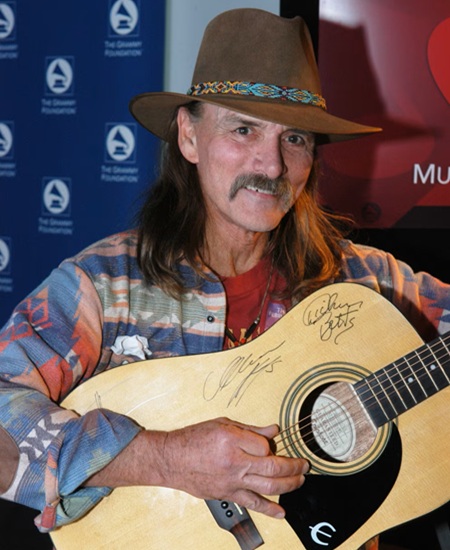
Dickey Betts
Allman Bros.
Picks
- Preferred: Fender Medium/Heavy
- Material: Celluloid
- Gauge: Medium/Heavy
- Shape: Standard (351)
Strings / Tuning
- Manufacturer: Reported/common: nickel electric sets
- Gauge: Reported: .010–.046 or similar
- Tuning: Mostly standard; open/slide contexts by song.
- GLS Note: Exact gauge may vary by guitar and era; melodic Southern-rock phrasing does not require extreme gauges.
Instruments
- Instruments: Gibson Les Paul Goldtop/Les Paul-style guitars; ES-style and PRS instruments in later years.
Amps
- Amps / rig: Marshall, Fender and high-headroom blues/rock rigs depending on era.
Effects / Pedals
- Effects: Mostly amp-driven tone; boost/drive may appear by era, but exact pedal use is not consistently documented.
- Use: Melodic lead tone depends heavily on phrasing, Les Paul-style guitars, amp response, and band context.
- GLS Note: Keep this conservative. Do not imply a fixed pedalboard without verified support.
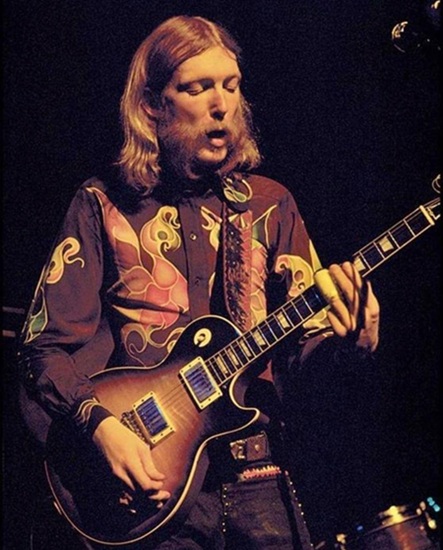
Duane Allman
Allman Bros.
Picks
- Preferred: Fender Medium/Heavy
- Material: Celluloid
- Gauge: Medium/Heavy
- Shape: Standard (351)
Strings / Tuning
- Manufacturer: Reported/common: nickel electric sets
- Gauge: Often reported: light/medium electric sets
- GLS Note: Slide/open tuning context matters; top-wrapping and setup can change feel as much as gauge.
Instruments
- Instruments: Gibson Les Paul Goldtop and ’59-style burst; SG/Les Paul for slide also associated.
Amps
- Amps / rig: Marshall 50-watt-style rigs and Fender amps are commonly cited by era.
Effects / Pedals
- Effects: Primarily guitar, amp, slide technique, and open tuning; no fixed modern pedalboard reference.
- Use: Slide tone comes from touch, tuning, sustain, amp response, and phrasing more than stompboxes.
- GLS Note: Avoid over-listing pedals. The historic reference is Les Paul/SG-style guitar into loud amps with slide control.
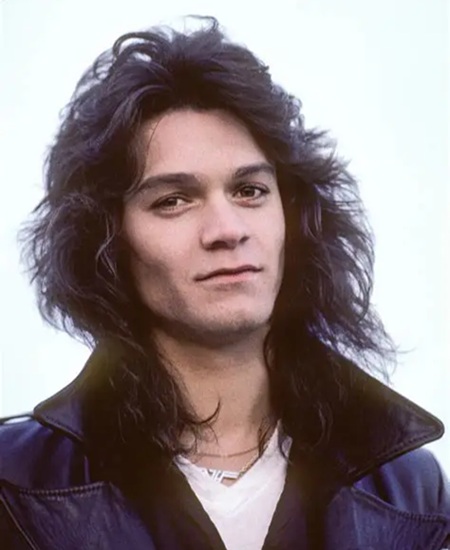
Eddie Van Halen
Van Halen
Picks
- Preferred: Dunlop Max-Grip
- Material: Nylon
- Gauge: Heavy
- Shape: Modified Standard Eddie Van Halen like to experiment, especially with metals, and various edges.
Strings / Tuning
- Manufacturer: Commonly associated: light nickel electric sets
- Gauge: Often reported: .009–.040 / .009–.042 range
- Tuning: Often Eb standard or standard; many songs are guitar/song-specific.
- GLS Note: Fast, flexible feel; the Van Halen sound was not based on heavy string tension alone.
Instruments
- Instruments: Frankenstrat / EVH-style Superstrats; Kramer, Music Man, Peavey Wolfgang and EVH Wolfgang models.
Amps
- Amps / rig: Marshall Super Lead-style early rig; later Soldano, Peavey 5150 and EVH 5150 rigs.
Effects / Pedals
- Effects: MXR Phase 90, MXR Flanger, Echoplex EP-3-style tape echo/preamp, EQ, occasional wah or tape echo.
- Use: Phase and flanger were used as musical color, not always-on tone crutches. Echoplex-style preamp/delay contributed to feel and space.
- GLS Note: The core is still guitar, amp, cabinet, variac-era amp behavior, attack, muting, and timing. Pedals are accents.
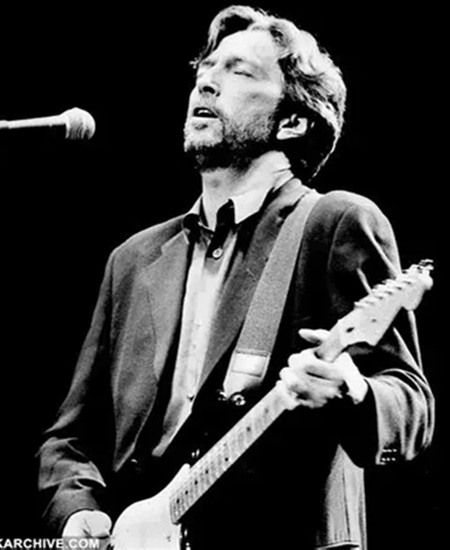
Eric Clapton
The Yardbirds, Cream, Solo
Picks
- Preferred: Ernie Ball Heavy
- Material: Celluloid
- Gauge: Heavy
- Shape: Modified Standard
Strings / Tuning
- Manufacturer: Commonly associated: Ernie Ball / standard nickel electric
- Gauge: Often reported: .010–.046
- Tuning: Mostly standard; acoustic/slide exceptions.
- GLS Note: A practical blues/rock all-around set with enough resistance for vibrato and bends.
Instruments
- Instruments: Fender Stratocaster; earlier Gibson ES-335, Les Paul, SG and Firebird are historically important.
Amps
- Amps / rig: Marshall Bluesbreaker-era amp, Fender tweed/blackface-style amps, Soldano in some eras.
Effects / Pedals
- Effects: Vox wah in Cream-era contexts; occasional fuzz/boost depending on era; later rigs vary widely.
- Use: Often more amp-and-hands focused than pedalboard focused.
- GLS Note: Be careful by era: Yardbirds, Bluesbreakers, Cream, Derek and the Dominos, and solo Clapton are not the same rig.

Eric Johnson
Solo
Picks
- Preferred: Dunlop Jazz III
- Material: Nylon
- Gauge: Extra Heavy
- Shape: Jazz (Small Teardrop)
Strings / Tuning
- Manufacturer: Commonly associated: nickel electric sets
- Gauge: Often reported: .010–.046
- Tuning: Mostly standard.
- GLS Note: Tone is highly touch-sensitive; exact string choice is only one part of the system.
Instruments
- Instruments: Fender Stratocaster; also Gibson ES-335/Les Paul-style guitars.
Amps
- Amps / rig: Fender Twin/Deluxe-style clean amps, Marshall lead amps, Dumble-style tones depending on rig.
Effects / Pedals
- Effects: Tube Screamer-style overdrive, fuzz, delay, chorus, Echoplex-style delay/preamp, and carefully ordered signal chains.
- Use: Effects are used with extreme attention to gain staging, impedance, cable length, amp pairing, and dynamics.
- GLS Note: Eric Johnson tone is highly system-sensitive. Pedal model alone will not reproduce the response.
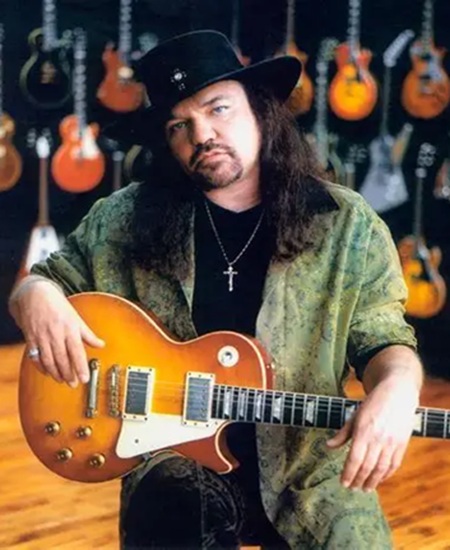
Gary Rossington
Lynyrd Skynyrd
Picks
- Preferred: Fender Extra Heavy
- Material: Celluloid
- Gauge: Extra Heavy
- Shape: Standard (351)
Strings / Tuning
- Manufacturer: Reported/common: Gibson-style nickel electric sets
- Gauge: Reported: .010–.046 or similar
- Tuning: Mostly standard; some Skynyrd versions vary.
- GLS Note: Reliable exact documentation is limited; use as a general Southern-rock setup reference.
Instruments
- Instruments: Gibson Les Paul, SG and Explorer-style instruments associated with Skynyrd-era work.
Amps
- Amps / rig: Peavey Mace and classic Southern-rock high-headroom rigs commonly associated.
Effects / Pedals
- Effects: Mostly amp-driven Southern-rock tone; limited reliable pedal documentation.
- Use: Primary sound comes from Gibson-style guitars, amp response, volume, and band arrangement.
- GLS Note: Use conservative wording. Treat specific pedals as unconfirmed unless separately verified.
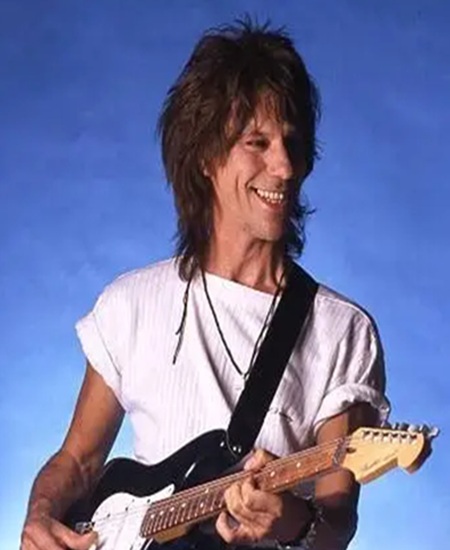
Jeff Beck
The Yardbirds, Solo
Picks
- Preferred: Typically Fingers Only
- Material: N/A
- Gauge: N/A
- Shape: N/A
Strings / Tuning
- Manufacturer: Commonly associated: light nickel electric sets
- Gauge: Often reported: .009–.042
- Tuning: Mostly standard, with song-specific exceptions.
- GLS Note: Fingerstyle/tremolo control and touch mattered more than heavy strings.
Instruments
- Instruments: Fender Stratocaster; earlier Yardbirds-era Telecaster/Esquire and Les Paul are historically important.
Amps
- Amps / rig: Marshall, Fender, Magnatone and other stage/studio amps by era.
Effects / Pedals
- Effects: Early Yardbirds-era fuzz such as Tone Bender-style circuits; later wah, delay, reverb, and modulation as needed.
- Use: Later Beck tone is dominated by fingers, volume control, tremolo arm, phrasing, and amp response.
- GLS Note: Do not reduce Beck’s tone to pedals. His touch is the main effect.
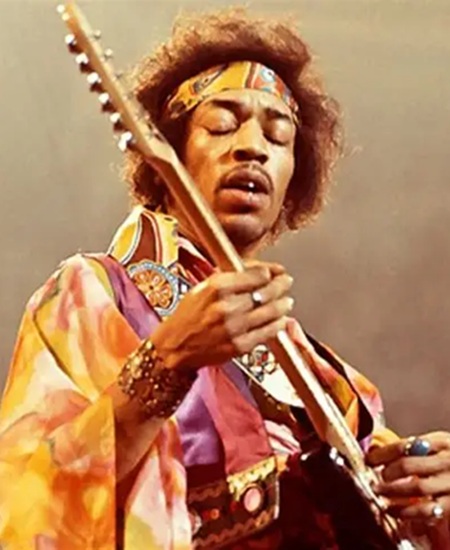
Jimi Hendrix
The Jimi Hendrix Experience
Picks
- Preferred: Fender Medium Heavy
- Material: Celluloid
- Gauge: Medium Heavy
- Shape: Standard (351) Jimi would often play using the rounded shoulder
Strings / Tuning
- Manufacturer: Commonly associated: Fender Rock ’N’ Roll-style light/custom sets
- Gauge: Often reported: light custom set around .010–.038
- Tuning: Often Eb standard; standard and song-specific variations also exist.
- GLS Note: Eb tuning lowers tension; string choice worked with Strat scale length, fuzz, amp volume and hands.
Instruments
- Instruments: Fender Stratocaster; also Flying V, SG/Les Paul Custom and acoustics in specific contexts.
Amps
- Amps / rig: Marshall Super Lead stacks; fuzz, wah and Uni-Vibe-style effects are important.
Effects / Pedals
- Effects: Fuzz Face, Vox/Cry Baby-style wah, Octavia/Octavio, Uni-Vibe, feedback, volume, and amp interaction.
- Use: Effects were part of the performance: wah phrasing, fuzz cleanup, octave textures, and Uni-Vibe movement.
- GLS Note: Hendrix tone depends on left-handed Strat orientation, pickup selection, fuzz/amp interaction, Eb tuning, stage volume, and touch.
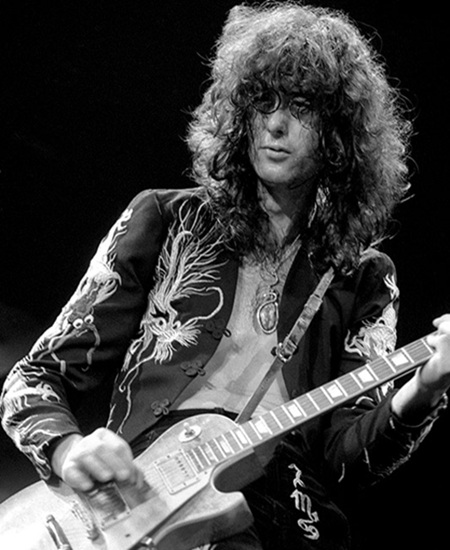
Jimmy Page
The Yardbirds, Led Zeppelin
Picks
- Preferred: Fender Heavy
- Material: Celluloid
- Gauge: Heavy
- Shape: Standard (351)
Strings / Tuning
- Manufacturer: Commonly associated: light nickel electric sets
- Gauge: Often reported: .008/.009-style sets
- Tuning: Standard plus DADGAD, open G, open C, open D and song-specific tunings.
- GLS Note: Light gauges support bends and dynamics; not a heavy-gauge tone model.
Instruments
- Instruments: Gibson Les Paul Standard, Fender Telecaster, Danelectro 3021/DC-style, Gibson EDS-1275.
Amps
- Amps / rig: Marshall, Hiwatt, Supro, Orange and studio-specific amp combinations.
Effects / Pedals
- Effects: Tone Bender-style fuzz, wah, Echoplex/tape echo, theremin, studio effects, and room/amp processing.
- Use: Highly song-specific. Some classic tones are dry amp/guitar tones, while others are layered studio productions.
- GLS Note: Page is a production example. Guitar, amp, mic placement, studio processing, and arrangement are as important as pedals.
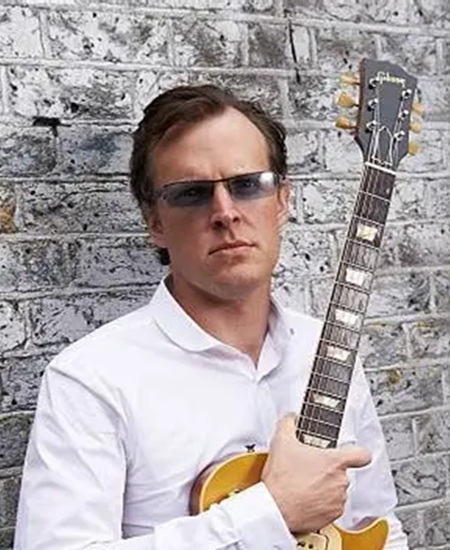
Joe Bonamassa
Black Country Communion, Solo
Picks
- Preferred: Dunlop Jazz III or Custom
- Material: Nylon / Tortex
- Gauge: Extra Heavy
- Shape: Jazz (small teardrop)
Strings / Tuning
- Manufacturer: Commonly associated: Ernie Ball / custom blues-rock sets
- Gauge: Often reported: .011–.052 range
- Tuning: Mostly standard and Eb; guitar/song dependent.
- GLS Note: Heavier blues-rock feel; top-wrapping and setup can affect perceived stiffness.
Instruments
- Instruments: Gibson Les Pauls, ES-335/ES-style guitars, Fender Strats/Teles and vintage collectables.
Amps
- Amps / rig: Marshall, Dumble-style, Fender, Two-Rock and multi-amp blues-rock rigs.
Effects / Pedals
- Effects: Wah, fuzz, delay, boost/drive, tremolo and switching systems depending on tour and song.
- Use: Effects support a multi-amp blues-rock rig rather than replace the amp tone.
- GLS Note: Bonamassa rigs are tour-specific. Treat any pedal list as a snapshot, not a permanent setup.
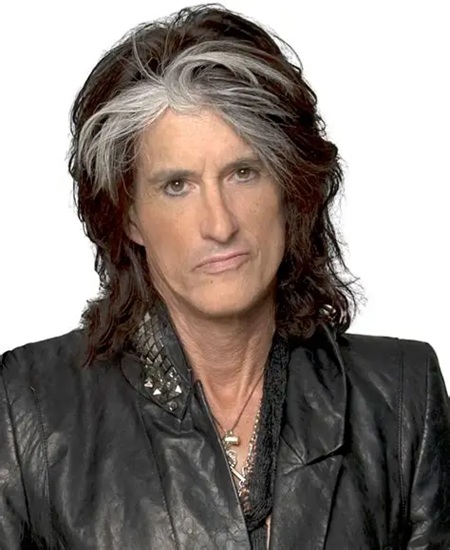
Joe Perry
Aerosmith, Joe Perry Project
Picks
- Preferred: Fender Heavy
- Material: Celluloid
- Gauge: Heavy
- Shape: Standard (351)
Strings / Tuning
- Manufacturer: Commonly associated: nickel electric sets
- Gauge: Often reported: .010–.046 / .011–.048 range
- Tuning: Mostly standard; open tunings and slide/song-specific tunings appear.
- GLS Note: Rock setup likely varies by guitar and tuning; avoid treating one gauge as universal.
Instruments
- Instruments: Gibson Les Paul, B.C. Rich, Gretsch, Fender and custom guitars across eras.
Amps
- Amps / rig: Marshall, Fender, Soldano and touring/studio amp combinations.
Effects / Pedals
- Effects: Wah, Klon-style boost/drive, tape echo-style delay, vibe, fuzz/octave, phaser/flanger-type effects depending on era.
- Use: Effects are used as color around a core rock guitar/amp tone.
- GLS Note: Joe Perry’s rig changes by tour, studio date, and guitar. Do not treat one board as definitive.
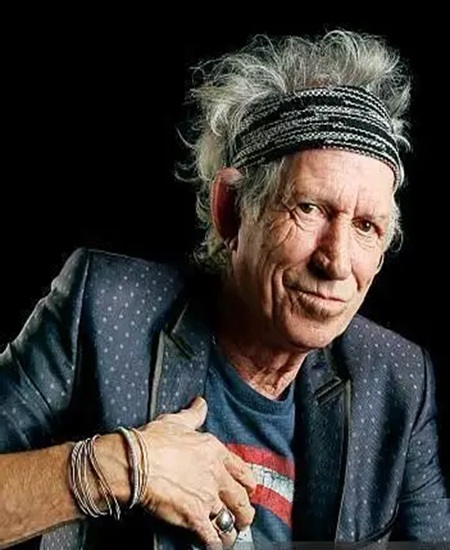
Keith Richards
The Rolling Stones
Picks
- Preferred: Fender Extra Heavy
- Material: Celluloid
- Gauge: Extra Heavy
- Shape: Standard (351)
Strings / Tuning
- Manufacturer: Commonly associated: Ernie Ball / nickel electric
- Gauge: Varies; open-G 5-string setups are common reference
- Tuning: Open G 5-string is signature; also standard and other song-specific tunings.
- GLS Note: Open G and removed low string matter more than a simple six-string gauge number.
Instruments
- Instruments: Fender Telecaster ‘Micawber’ and other Teles; Gibson ES/Les Paul/Junior-style guitars also used.
Amps
- Amps / rig: Fender Twin/Tweed-style amps, Ampeg and stage/studio rigs depending on era.
Effects / Pedals
- Effects: Mostly amp-driven; major historic exception is the Maestro FZ-1/FZ-1A Fuzz-Tone on “Satisfaction.”
- Use: Open-G rhythm tone relies more on tuning, Telecaster-style guitar, amp, and right-hand groove than effects.
- GLS Note: Do not build a large pedalboard to chase Keith Richards. The tuning and feel are the bigger lesson.
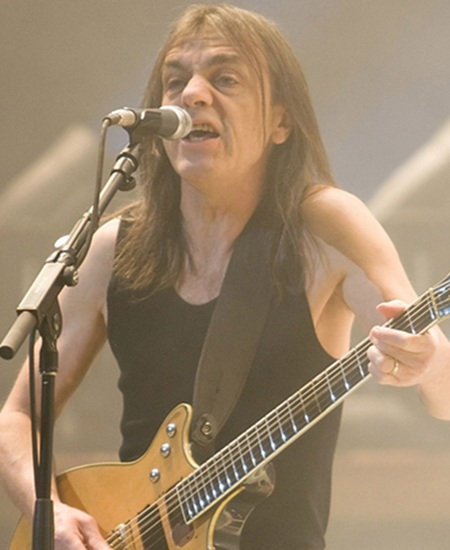
Malcolm Young
AC\DC
Picks
- Preferred: Fender Extra Heavy
- Material: Celluloid
- Gauge: Extra Heavy
- Shape: Standard (351)
Strings / Tuning
- Manufacturer: Commonly associated: Gibson-style nickel electric sets
- Gauge: Often reported: .012–.056 or heavy rhythm ranges
- Tuning: Mostly standard; AC/DC tuning can be song/era dependent.
- GLS Note: Rhythm-focused feel; heavier strings can suit hard right-hand attack, but setup must match the guitar.
Instruments
- Instruments: Gretsch Jet Firebird/Gretsch Jet-style guitars with stripped-down controls.
Amps
- Amps / rig: Marshall Superbass/Super Lead-style rigs; Wizard amps in later eras.
Effects / Pedals
- Effects: Generally no regular pedals; Gretsch into Marshall-style amps.
- Use: Rhythm tone comes from tight right hand, clean articulation, amp headroom, and band mix.
- GLS Note: Malcolm Young is one of the clearest examples of “less gear, more control.”

Pete Townshend
The Who
Picks
- Preferred: Fender Extra Heavy
- Material: Celluloid
- Gauge: Extra Heavy
- Shape: Standard (351)
Strings / Tuning
- Manufacturer: Commonly associated: standard/heavier nickel electric sets
- Gauge: Often reported: .010–.046 or similar
- Tuning: Mostly standard; also open/alternate tunings by song.
- GLS Note: Aggressive rhythm playing requires stable setup and durable strings more than exotic gauges.
Instruments
- Instruments: Gibson SG Special, Les Paul Deluxe, Fender Strat/Tele, Rickenbacker and Schecter/Clapton Strat-era guitars.
Amps
- Amps / rig: Hiwatt stacks, Marshall, Fender and later stage rigs.
Effects / Pedals
- Effects: Mostly amp-driven Hiwatt/Marshall-style stage tone; occasional studio effects, volume/tone manipulation and later rig processing.
- Use: Effects are secondary to aggressive rhythm technique, guitar choice, stage volume, and amp clarity.
- GLS Note: Do not imply a fixed stompbox board. Townshend’s signal chain changed greatly across eras.
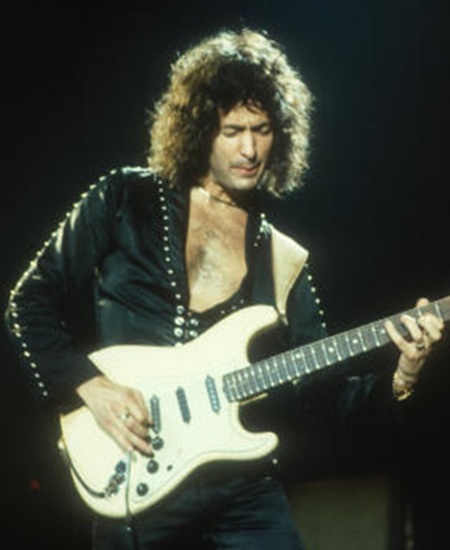
Ritchie Blackmore
Deep Purple, Rainbow
Picks
- Preferred: Fender Heavy
- Material: Celluloid
- Gauge: Heavy
- Shape: Standard (351)
Strings / Tuning
- Manufacturer: Commonly associated: light nickel electric sets
- Gauge: Often reported: .009–.042
- Tuning: Mostly standard.
- GLS Note: Classic lead feel; scalloped-board context can change touch and pressure.
Instruments
- Instruments: Fender Stratocaster with scalloped fingerboard; earlier Gibson ES-335 and other guitars.
Amps
- Amps / rig: Marshall Major/Marshall stacks; later Engl-associated rigs.
Effects / Pedals
- Effects: Tape echo/preamp, Hornby Skewes-style treble booster, wah, variable boost and experimental processing by era.
- Use: Boost and tape-echo/preamp behavior helped shape attack and sustain into loud Marshall-style amps.
- GLS Note: Blackmore tone is not just Strat into Marshall. Scalloped fingerboard, attack, boost and stage volume all matter.
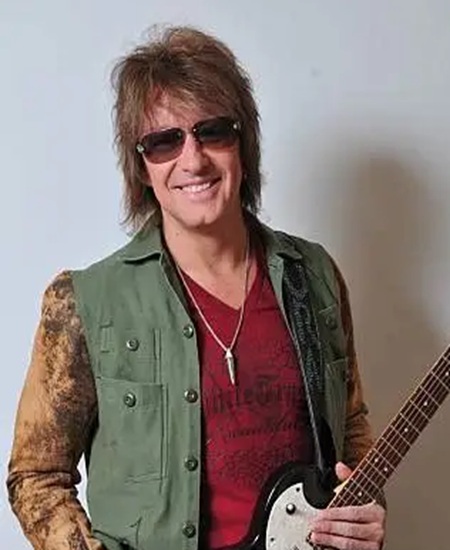
Ritchie Sambora
Bon Jovi
Picks
- Preferred: Dunlop Extra Heavy
- Material: Delrin / Tortex
- Gauge: Extra Heavy
- Shape: Standard (351)
Strings / Tuning
- Manufacturer: Commonly associated: nickel electric sets
- Gauge: Often reported: .010–.046 / .010–.052
- Tuning: Mostly standard and half-step-down contexts; song-dependent.
- GLS Note: Practical rock gauge range; may change by tuning, guitar and tour.
Instruments
- Instruments: Fender Stratocaster, Kramer, Ovation/other acoustics, Gibson and signature models.
Amps
- Amps / rig: Marshall, Fender, Soldano and touring rack/studio rigs depending on era.
Effects / Pedals
- Effects: Wah, talk box, delay, chorus/modulation, boost/overdrive and rack/studio processing depending on era.
- Use: Bon Jovi-era tones are often production-specific and may combine pedals, rack gear, amps and studio processing.
- GLS Note: Use “reported/common.” Exact Sambora rigs changed across tours and recording periods.
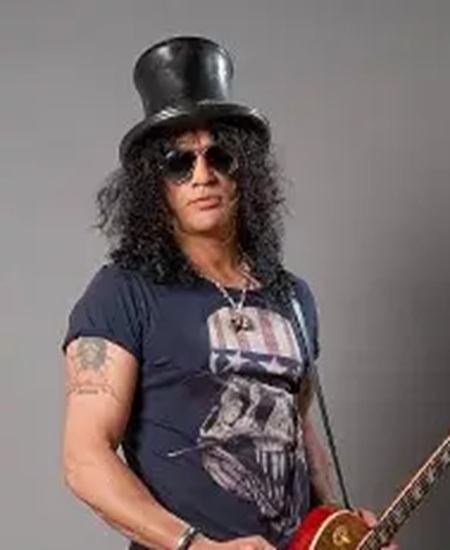
Slash
Guns N Roses, Velvet Revolver
Picks
- Preferred: Dunlop Heavy
- Material: Delrin / Tortex
- Gauge: Heavy
- Shape: Standard (351)
Strings / Tuning
- Manufacturer: Ernie Ball Slash Signature
- Gauge: .011–.048
- Tuning: Often Eb standard; standard and song-specific tunings also occur.
- GLS Note: Medium-heavy Les Paul rock setup; strong for Eb tuning, attack, sustain and bends.
Instruments
- Instruments: Gibson Les Paul / Les Paul-style guitars are central; also B.C. Rich and others in specific eras.
Amps
- Amps / rig: Marshall Silver Jubilee, JCM800-style and Slash signature Marshall rigs.
Effects / Pedals
- Effects: Cry Baby wah, Boss DD-series delay, Boss GE-7/EQ or boost-style use, talk box on specific material, amp overdrive and reverb.
- Use: Wah is the signature effect. Most core tone is Les Paul into Marshall-style amps.
- GLS Note: Slash is not a heavy-effects player. The wah, Marshall gain structure, Les Paul and Eb tuning are the main references.

Steve Howe
Yes, Asia
Picks
- Preferred: Fender Medium Heavy
- Material: Celluloid
- Gauge: Medium Heavy
- Shape: Standard (351)
Strings / Tuning
- Manufacturer: Commonly associated: mixed electric/acoustic sets
- Gauge: Varies by guitar
- Tuning: Varies heavily by instrument and song; standard plus alternate/acoustic tunings.
- GLS Note: Uses many instruments; a single gauge would be misleading. Match strings to each guitar and tuning.
Instruments
- Instruments: Gibson ES-175, ES-345/ES-style, Martin acoustic, Fender/other electrics and specialty instruments.
Amps
- Amps / rig: Fender Twin/clean amps, Line 6/modeling and varied stage/studio rigs by era.
Effects / Pedals
- Effects: Volume pedal, chorus, delay, wah/filter effects and acoustic/electric processing depending on instrument and song.
- Use: Effects are highly arrangement-specific because Howe uses many instruments and textures.
- GLS Note: A single Steve Howe pedal list would be misleading. Match the effect to the specific guitar part.
Stevie Ray Vaughan
Double Trouble, Solo
Picks
- Preferred: Fender Medium Heavy
- Material: Celluloid
- Gauge: Medium Heavy
- Shape: Standard (351) SRV typically plays using the rounded shoulder of the pick.
Strings / Tuning
- Manufacturer: GHS Nickel Rockers / heavy custom blues sets
- Gauge: Often cited: .013, .015, .019p, .028, .038, .058
- Tuning: Usually Eb standard.
- GLS Note: Heavy-gauge legend, but not a beginner recommendation. Eb tuning and powerful hands changed the feel.
Instruments
- Instruments: Fender Stratocaster ‘Number One’ and other Stratocasters.
Amps
- Amps / rig: Fender Super Reverb/Vibroverb, Dumble Steel String Singer, Marshall and multi-amp blues rigs.
Effects / Pedals
- Effects: Ibanez Tube Screamer, Vox wah, Dallas-Arbiter Fuzz Face, Octavia/Octavio, Uni-Vibe/Vibratone-style effects in certain contexts.
- Use: Tube Screamer-style drive was often used to push loud clean/edge-of-breakup amps, not as the entire tone.
- GLS Note: SRV tone is heavy strings, Eb tuning, Strat pickups, loud amps, touch and dynamics first. Pedals support that system.
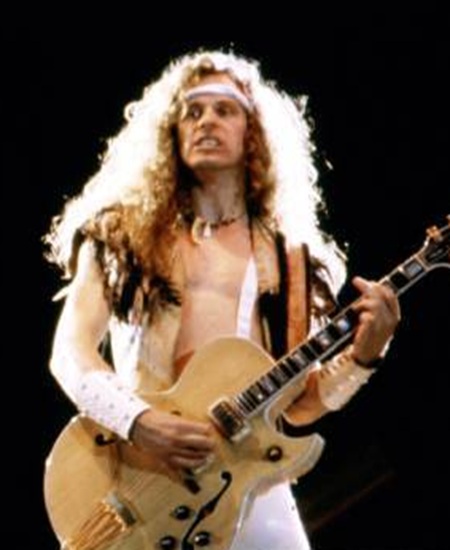
Ted Nugent
Amboy Dukes, Damn Yankees, Solo
Picks
- Preferred: Extra Heavy
- Material: Nylon / Tortex
- Gauge: Extra Heavy
- Shape: Standard (351)
Strings / Tuning
- Manufacturer: Commonly associated: nickel electric sets
- Gauge: Often reported: .010–.046 / .011–.048 range
- Tuning: Mostly standard; song/era dependent.
- GLS Note: Hard rock setup; exact set may vary by era and instrument.
Instruments
- Instruments: Gibson Byrdland is central; also PRS and other stage guitars in later eras.
Amps
- Amps / rig: Fender, Peavey, Marshall/5150-style high-volume rock rigs by era.
Effects / Pedals
- Effects: Primarily amp-driven Byrdland rock tone; wah/drive effects may appear by era, but fixed pedal data is not strongly documented.
- Use: High volume, hollow/semi-hollow guitar behavior and amp response are the safer references.
- GLS Note: Use conservative wording. Avoid claiming a fixed Nugent pedalboard without source support.
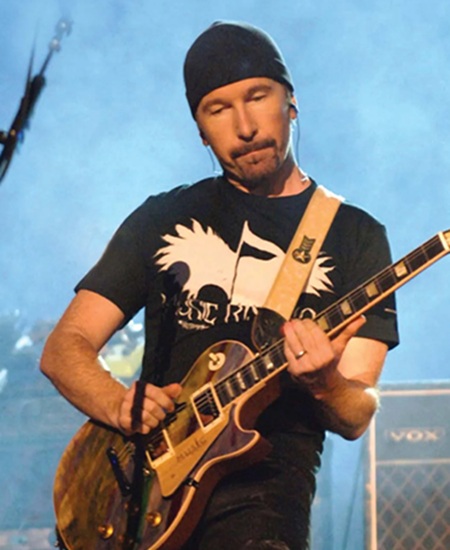
The Edge
U2
Picks
- Preferred: Herdim Blue
- Material: Nylon
- Gauge: Medium Heavy
- Shape: Standard (351) The Edge often plays using the textured grip side
Strings / Tuning
- Manufacturer: Commonly associated: standard/light nickel electric sets
- Gauge: Often reported: .010–.046 or similar
- Tuning: Highly song-specific: standard, Eb, open/alternate tunings and capo setups.
- GLS Note: Delay, pick attack and guitar choice are major parts of the sound; strings are only one component.
Instruments
- Instruments: Fender Stratocaster, Gibson Explorer, Rickenbacker 330/12, Les Paul, Gretsch and song-specific guitars.
Amps
- Amps / rig: Vox AC30 is central; also Fender/other amps and extensive delay/effects systems.
Effects / Pedals
- Effects: Delay is central: Deluxe Memory Man-style delay, TC/Korg/AMS-style delays, dotted-eighth rhythmic delays, modulation, shimmer/reverb, drive/boost as needed.
- Use: Delay is part of the composition, not just ambience. Rhythmic repeats often define the guitar part.
- GLS Note: The Edge is the clearest example that effects can become arrangement tools. Timing, tempo sync, muting and pick attack are critical.
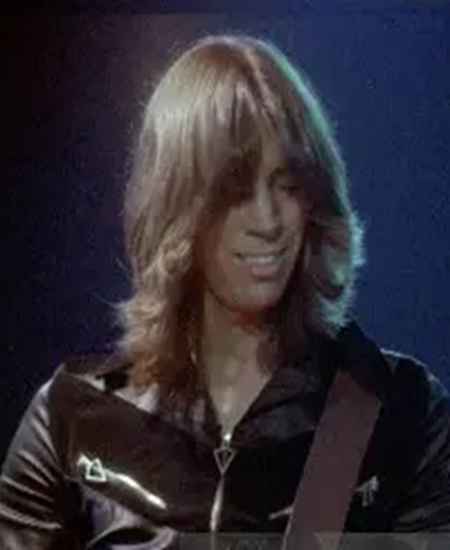
Tom Scholz
Boston
Picks
- Preferred: Fender Extra Heavy
- Material: Celluloid
- Gauge: Medium Heavy
- Shape: Standard (351)
Strings / Tuning
- Manufacturer: Commonly associated: nickel electric sets
- Gauge: Reported: .010–.046 or similar
- Tuning: Mostly standard; layered studio parts may vary.
- GLS Note: Boston-style tone is highly rig-dependent; exact string documentation is limited.
Instruments
- Instruments: Gibson Les Paul-style guitars are central to Boston-era tones.
Amps
- Amps / rig: Marshall-based tones, Rockman/Scholz-designed gear and layered studio processing.
Effects / Pedals
- Effects: Rockman/SR&D processing, Hyperspace-style effects, modified Echoplex-style processing, compression, chorus and delay-style studio textures.
- Use: Highly engineered, layered, processed tones with studio control and Scholz-designed gear.
- GLS Note: Boston tone is not a normal pedalboard example. It is a systems-engineering and studio-production example.
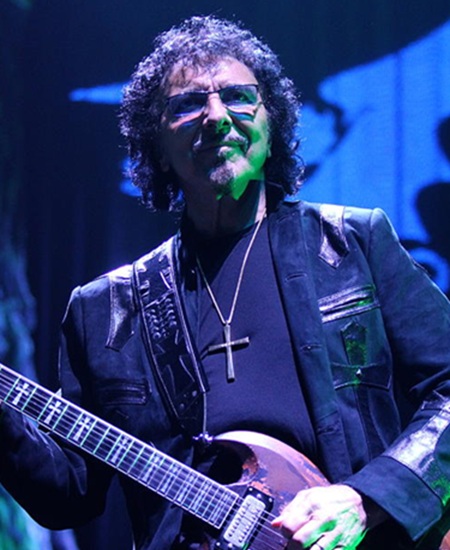
Tony Iommi
Black Sabbath
Picks
- Preferred: Custom (often used a lighter pick due to finger injury)
- Material: Various (Celluloid / Plastic)
- Gauge: Medium Heavy
- Shape: Standard (351)
Strings / Tuning
- Manufacturer: La Bella Tony Iommi Signature
- Gauge: D#/low-tension: .008–.032; C# set: .009–.042
- Tuning: D# standard and C# standard are key Sabbath references; other song/era tunings exist.
- GLS Note: Important example: low tuning does not always mean heavy strings. His hand injury and touch shaped the low-tension choice.
Instruments
- Instruments: Gibson SG / Jaydee SG-style and Iommi signature models.
Amps
- Amps / rig: Laney amps are central; early Marshall/Sabbath-era rigs also historically important.
Effects / Pedals
- Effects: Treble booster/boost into Laney-style amps, wah on some tracks, primarily amp-driven heavy tone.
- Use: Boost helped drive the front of the amp and focus the sound; low tuning and low-tension strings are also major factors.
- GLS Note: Iommi is not just “more gain.” The sound is tuning, touch, string tension, SG-style guitar, boost, and Laney amp response.
N/A
N/A
Picks
- Preferred:
- Material:
- Gauge:
- Shape:
Strings / Tuning
- Manufacturer:
- Gauge:
- Tuning:
- GLS Note: Important example:
Instruments
- Instruments:
Amps
- Amps / rig: